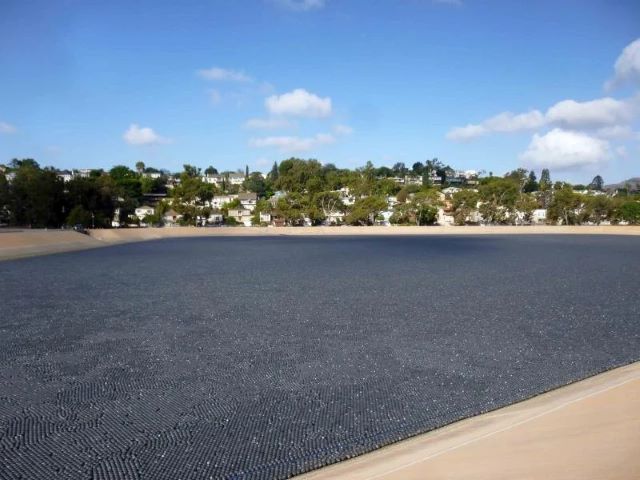
Industrial Effluent Treatment Plants (ETP) and municipal Sewage Treatment Plants (STP) handle variable wastewater streams loaded with volatile organic compounds (VOCs), hydrogen sulfide (H₂S), mercaptans, and ammonia. Open equalization tanks, primary clarifiers, and sludge holding lagoons release fugitive hazardous emissions into the ambient atmosphere, triggering severe odor complaints from neighboring communities and violating regulatory air quality standards under the Air Pollution Control Act. This technical article details emission generation mechanisms and evaluates self-adjusting floating cover systems that suppress up to 85%+ of hazardous vapors while accommodating continuous liquid level fluctuations.
1. Sources & Chemistry of Fugitive Emissions in Wastewater
Wastewater lagoons and equalization tanks generate hazardous airborne emissions through volatile mass transfer and anaerobic biological degradation:
- Volatile Organic Compounds (VOCs): Solvents, aromatic hydrocarbons (benzene, toluene, xylene), and chlorinated compounds volatilize rapidly from effluent surfaces, driven by elevated influent temperatures and surface air turbulence.
- Hydrogen Sulfide (H2S): Sulfate-reducing bacteria (SRB) in anaerobic sludge layers convert dissolved sulfates into H2S gas. With an offensive 'rotten egg' smell and high toxicity, H2S has an extremely low human odor detection threshold (0.0005 ppm).
- Ammonia (NH3) & Mercaptans: Organic nitrogen decomposition in sewage and chemical effluent releases pungent ammonia and sulfur-bearing mercaptans, creating severe local air pollution.
2. Regulatory Standards & Community Odor Thresholds
Environmental protection agencies enforce strict fence-line limits for volatile toxics. Fugitive emissions from open equalization tanks violate emission norms under National Ambient Air Quality Standards (NAAQS) and regional pollution control board guidelines.
Uncontained wastewater emissions create serious liabilities:
- Community Nuisance & Legal Notices: Odor complaints from residential developments adjacent to industrial zones often lead to regulatory inspection and closure notices.
- Microbiologically Induced Corrosion (MIC): Stripped H2S oxidizes into sulfuric acid on concrete walls, catwalks, structural steel, and electrical instrumentation, causing severe infrastructure degradation.
- Worker Health Risks: Chronic exposure to H2S and VOC vapors impairs respiratory function and creates occupational safety hazards in tank areas.
3. Engineering Mechanics of Floating Vapor Barriers
Traditional odor control methods—such as erecting giant geodesic domes or tensioned fabric roofs connected to chemical wet scrubbers—require massive capital outlays (frequently exceeding millions of rupees) and continuous electrical power for high-volume blowers.
Modular Floating Covers offer a superior, passive engineering solution by containing emissions at the liquid surface:
| Emission Component | Uncovered ETP Tank | With NatureGreen VOC/Odor Floating Cover |
|---|---|---|
| Hydrogen Sulfide (H2S) Emission | 100% (High ambient concentration) | Suppressed by 80% – 90% |
| Fugitive VOC Stripping | 100% (Unimpeded volatilization) | Suppressed by 75% – 85%+ |
| Ammonia (NH3) Vapor Loss | High odor emission | Suppressed by 80% – 88% |
| Ventilation Power Required | Massive CFM scrubber required | Zero power (Passive floating blanket) |
| Civil Foundations / Framing | Heavy concrete pilings required | Zero civil modifications |
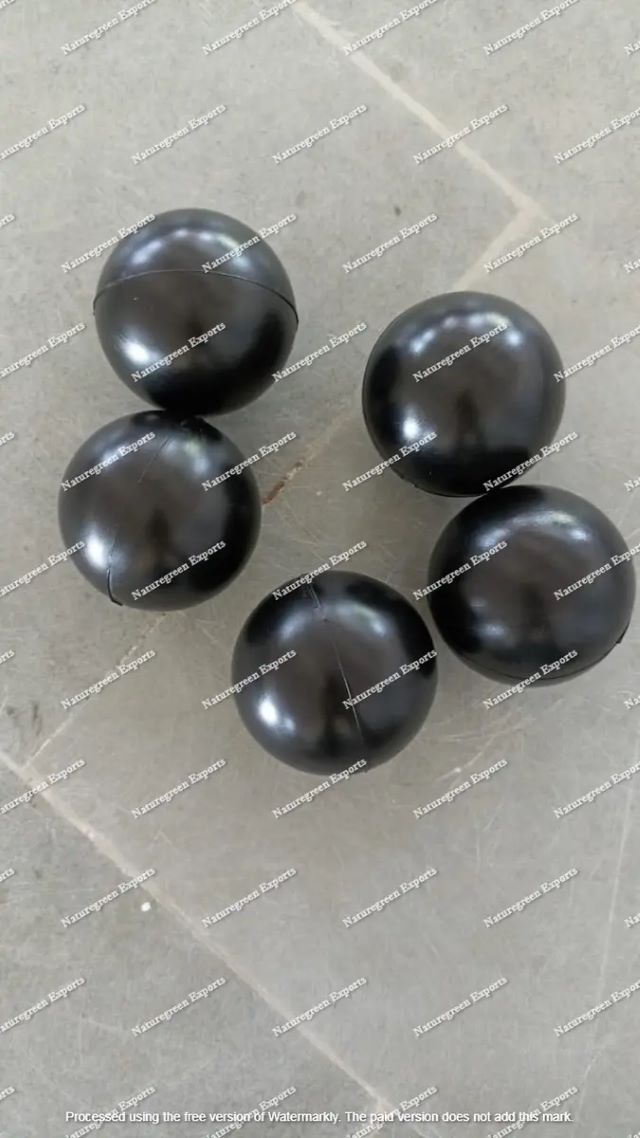
Learn more about purpose-engineered VOC & Odor Control Triangle Covers and STP / ETP Odor Control Balls.
4. Handling Variable Water Levels & Surface Agitation
Equalization basins and effluent buffer tanks experience massive liquid level swings throughout a 24-hour cycle as batch discharges enter and pumps feed downstream treatment units. Fixed structural roofs leave large variable headspace volumes where explosive gas mixtures can accumulate.
Modular floating systems solve this challenge seamlessly:
- Continuous Surface Contact: Floating covers rise and fall automatically with liquid level variations, completely eliminating headspace gas pockets.
- Accommodation of Aerators & Mixers: Floating balls and modular tiles effortlessly flow around submerged aerators, floating mixers, and influent distribution headers without binding.
- Stormwater Permeability: Symmetrical drainage interlocks allow rainwater to pass through into the wastewater stream without collecting on top of the cover.
5. Chemical ETP & Municipal STP Implementation Guidelines
For chemical and petrochemical effluent containing traces of hydrocarbons and solvents, specify UV-stabilized virgin HDPE or Polypropylene materials rated for chemical inertness (-30°C to +80°C). Avoid uncertified recycled polymers that degrade under aromatic chemical exposure.
Review comprehensive problem-solution applications in our VOC Emission & Foul Odor Control Solutions Guide.
Key Engineering Takeaways
- Open ETP equalization tanks release hazardous VOCs, H2S, and ammonia, creating severe odor complaints and structural corrosion.
- Modular floating covers eliminate variable headspace gas pockets by maintaining direct liquid contact during level swings.
- Verified field applications demonstrate up to 85%+ reduction in fugitive VOCs and 80%–90% reduction in H2S emissions.
- Modular systems require zero civil groundwork, zero blower power, and zero maintenance compared to expensive structural domes.
Frequently Asked Questions
Yes. In aeration basins with mechanical surface aerators, floating covers are deployed in the quiescent and settling zones while maintaining perimeter clearances around high-speed impellers.
Manufactured from 100% virgin high-density polyethylene (HDPE) or virgin polypropylene (PP), NatureGreen covers are completely inert to industrial acids, caustic alkalis, sulfides, and dilute hydrocarbons.
No. Submerged pump suction lines operate beneath the floating blanket without interference. During periodic lagoon desludging, modular units can be pushed aside or removed and re-deployed.
Eliminate Wastewater Odors & Achieve Air Compliance
Request an ETP/STP odor mitigation assessment and technical proposal from NatureGreen environmental engineering experts.
Related Technical Insights