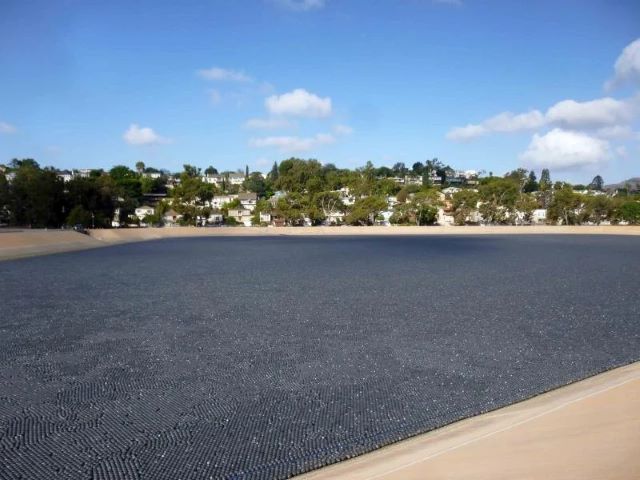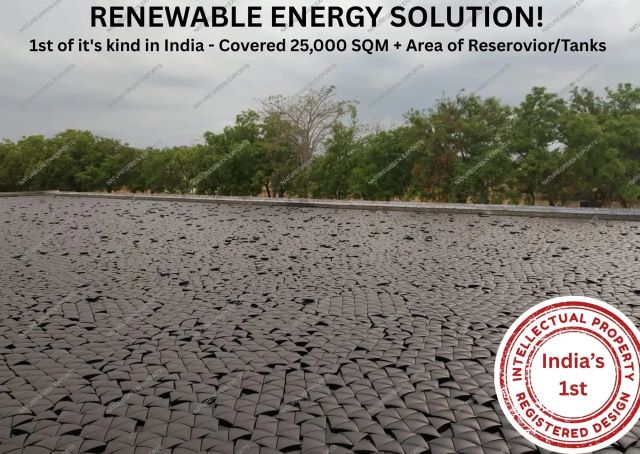
Open industrial wastewater ponds, cyanide leaching basins in mining, ash slurries in thermal power plants, and toxic chemical effluent lagoons represent hazardous environmental liabilities. Migratory waterfowl and local bird species frequently mistake open industrial ponds for natural resting water bodies. Contact with toxic or hypersaline effluent causes bird fatalities, ecological penalties, and severe regulatory compliance issues. This engineering article examines wildlife attraction mechanisms and details how opaque, matte-black 100mm HDPE hollow ball blankets eliminate surface reflectivity to prevent bird landings.
1. Ecological Liabilities of Open Toxic Ponds
Industrial processing facilities generate large volumes of hazardous aqueous effluents stored in open containment lagoons:
- Mining & Mineral Processing: Gold cyanidation tailings ponds, acidic copper heap leach solutions, and coal ash slurry basins.
- Petrochemical & Chemical Refining: Acid equalization ponds, oily wastewater skimmers, and aromatic hydrocarbon holding basins.
- Airport Runoff & Storm Basins: Retention ponds near airfields that attract bird flocks, presenting catastrophic bird strike risks for commercial aviation.
Under wildlife protection acts and environmental clearance mandates, industrial operators are legally obligated to implement non-lethal wildlife exclusion measures.
2. How Birds Identify Water & Visual Camouflage Physics
Waterfowl and migratory birds navigate visually from altitude by spotting polarized specular reflections from open water surfaces. On sunny days, calm water reflects up to 90%+ of sky light, presenting a mirror-like visual cue that signals safe landing habitat.
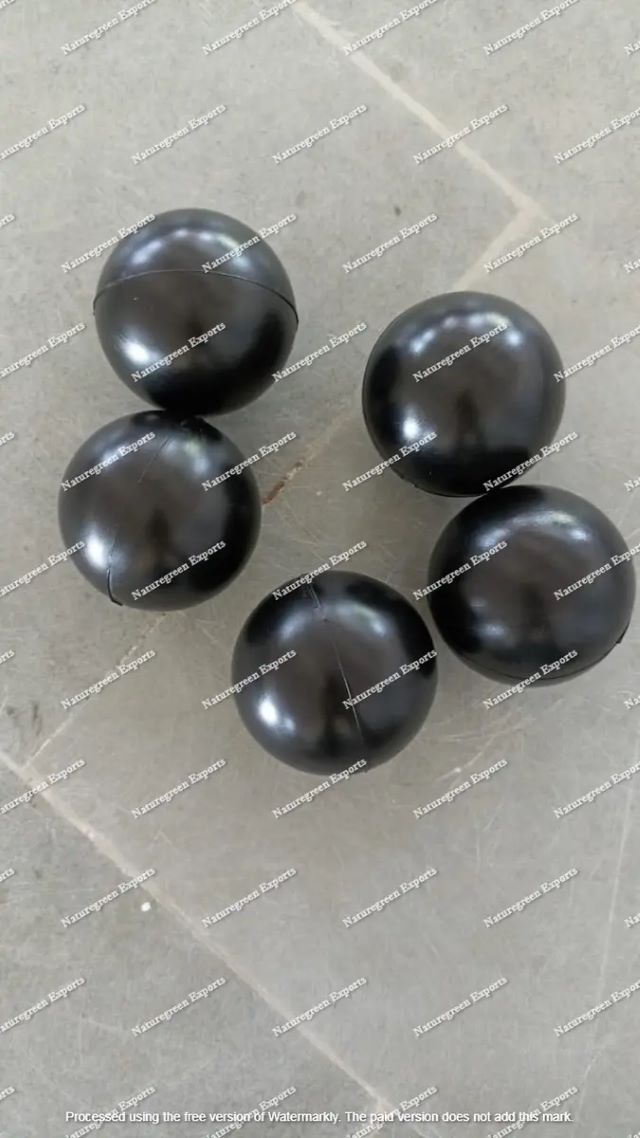
Deploying a dense blanket of 100mm Matte-Black HDPE Floating Balls alters surface optics completely:
- Elimination of Specular Reflection: The spherical, light-absorbing carbon black surface scatters incoming light in all directions, presenting zero sky reflection to birds flying overhead.
- Visual Ground Disguise: From flight altitude, the covered basin appears as solid, uneven terrain or dark soil rather than open water. Birds do not attempt landings.
- Physical Touchdown Prevention: In the rare event that a bird approaches, the rolling, unstable ball matrix prevents resting, swimming, or foraging, prompting the bird to immediately take flight without ingesting toxic fluids.
Learn more about 100mm (4-Inch) HDPE Hollow Balls.
3. Technical Specifications of 100mm Bird Deterrent Balls
| Engineering Parameter | Standard Specification | Functional Purpose |
|---|---|---|
| Nominal Diameter | 100 mm (4 Inches) | Optimal balance of wind resistance and packing efficiency |
| Raw Material | 100% Virgin High-Density Polyethylene (HDPE) | Complete chemical inertness to toxic tailings and acids |
| Color & Additive | Matte Black with 2.5% Carbon Black UV Stabilizer | Maximum optical light absorption & 15+ year outdoor UV life |
| Coverage (Single Layer) | 91% Surface Blanketing (116 balls / m²) | Full optical elimination of water reflection |
| Coverage (Double Layer) | 98% Surface Blanketing (232 balls / m²) | Complete light elimination for extreme chemical toxicity |
| Operating Temperature | -30°C to +80°C | Withstands sub-zero winters and extreme desert heat |
4. Comparative Evaluation of Bird Deterrence Systems
| Deterrent Method | Reliability & Effectiveness | Capital & Maintenance Overhead | Wildlife Habituation Risk |
|---|---|---|---|
| Audio Cannons / Pyrotechnics | Poor to Moderate (Temporary) | High maintenance; noise pollution complaints | High (Birds habituate within weeks) |
| Laser Systems & Visual Decoys | Moderate (Daylight / Line of sight dependent) | Continuous electrical power & calibration | High (Ineffective during night/fog) |
| Overhead Bird Netting | High (Physical barrier) | Very High; nets collapse under wind/snow load | None (Torn nets entangle birds) |
| 100mm Black HDPE Floating Balls | Exceptional (Permanent Physical & Visual) | Zero Maintenance; 15+ Year Lifespan | Zero Habituation (Optical camouflage) |
5. Pond Deployment & 15-Year Weathering Guidelines
Deploying 100mm HDPE hollow balls requires zero civil engineering infrastructure. The balls are poured directly into the water from embankment staging areas using dump chutes or crane tote bags. Once in the water, the balls naturally disperse and form a uniform hex-packing matrix.
Additional operational advantages:
- Accommodates Liquid Surges: During rainfall or effluent pumping, balls rise and fall effortlessly without edge tearing.
- Simultaneous Evaporation & Odor Reduction: In addition to wildlife protection, the blanket cuts water evaporation by 85%+ and suppresses offensive odors.
For custom pond sizing, see our complete range of UV-Resistant Black HDPE Hollow Floating Balls.
Key Engineering Takeaways
- Waterfowl identify landing sites through polarized specular light reflection from open water surfaces.
- 100mm matte-black HDPE balls eliminate surface reflection, making toxic ponds appear as solid terrain from altitude.
- Unlike acoustic cannons or lasers that birds habituate to, floating ball blankets provide 100% permanent physical and visual exclusion.
- 100% virgin HDPE compounded with carbon black provides 15+ years of outdoor weathering with zero ongoing maintenance.
Frequently Asked Questions
A 10,000 m² pond requires approximately 1,160,000 units for a standard single-layer blanket (116 balls/m²), or 2,320,000 units for a double staggered layer.
No. NatureGreen 100mm balls feature precision wall thickness and aerodynamic self-ballasting dynamics that prevent wind uplift and blowout in storm winds exceeding 80–100 km/h.
No. High-density polyethylene is chemically non-reactive to dilute acids, alkalis, cyanides, and hydrocarbons, retaining structural integrity for over 15 years.
Protect Wildlife & Eliminate Environmental Liabilities
Contact NatureGreen environmental engineering experts for pond sizing, ball quantity estimates, and logistics support.
Related Technical Insights